Barbados PM Rejects Call for Former Colonies to Repay Britain
Mia Mottley dismisses suggestion that ex-colonies owe Britain for its historical investments
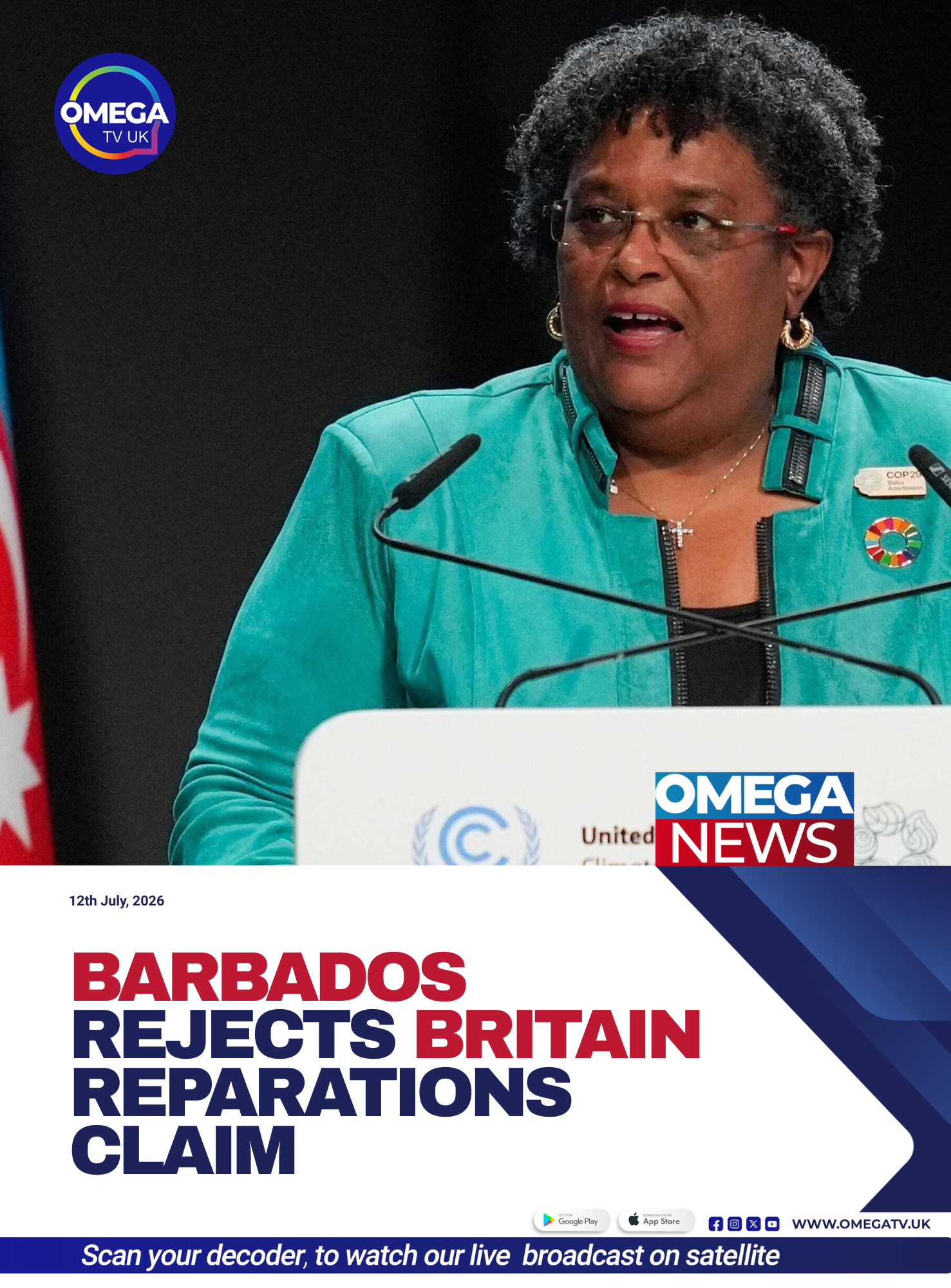
Barbados Prime Minister Mia Mottley has strongly rejected claims that former British colonies should repay the United Kingdom for investments made during the colonial era, describing the suggestion as “asinine.”

Her comments came after British politician Suella Braverman argued that Britain’s former colonies should acknowledge the country’s contributions and repay it for laying the foundations of modern democracies.
Mottley condemns remarks
Speaking during the closing news conference of the Caribbean Community (CARICOM) summit in St. Lucia, Mottley said the idea that former colonies should compensate Britain was offensive given the history of slavery and colonial oppression.
“I am not sure that you want me to reply to things that are asinine and certainly the notion that we should pay the United Kingdom for oppressing us, for enslaving us and for treating us as chattel,” Mottley said.
Her remarks drew attention to the long-running debate over reparations for slavery and the impact of colonialism in the Caribbean.
Braverman’s comments spark backlash
The controversy began after former UK Home Secretary and Reform UK member Suella Braverman posted on X that the British Empire had done “so much good for the world.”
Her comments came in response to reports that Jamaica plans to submit a formal petition seeking reparations from Britain later this year.
Braverman argued that if the British government were to consider reparations, then former colonies should instead repay Britain for its “considerable investment, effort and contribution.”
The remarks quickly generated criticism from politicians and activists across the Caribbean and beyond.
CARICOM pushes for reparations
The issue of reparations was one of the major topics discussed during the CARICOM summit in St. Lucia.
Caribbean leaders have increasingly called on former colonial powers to acknowledge the lasting effects of slavery and provide measures such as debt cancellation, economic support and formal apologies.
Last month, Mottley led a subcommittee of Caribbean leaders in launching a new slavery reparations manifesto during a conference held in Ghana.
The initiative aims to strengthen the region’s push for justice and compensation for the descendants of enslaved Africans.
Barbados’ break from the monarchy
Barbados has been at the forefront of redefining its relationship with Britain. In November 2021, the country officially removed Queen Elizabeth II as its head of state and became a republic.
The move was widely seen as a symbolic step toward fully severing colonial ties and embracing national independence.
Reparations debate continues
Britain has repeatedly stated that it does not intend to pay reparations for slavery, despite growing calls from Caribbean nations and human rights groups.
According to United Nations High Commissioner for Human Rights Volker Türk, between 25 million and 30 million Africans were forcibly removed from their homes and transported across the Atlantic to work as slaves in the Caribbean and the Americas.
As demands for reparatory justice gain momentum, Mottley’s latest comments are likely to intensify discussions about Britain’s colonial legacy and the responsibilities of former imperial powers.