ANC secretary-general Fikile Mbalula has forcefully defended his authority amid reported tensions within the party over parliamentary nominations linked to the impeachment committee examining President Cyril Ramaphosa’s conduct in the Phala Phala matter. His remarks have sparked renewed debate about coordination and discipline within the ANC’s internal structures, though analysts say the situation reflects organisational pressure rather than a full-scale leadership crisis.

The impeachment committee was established by Parliament following a Section 89 panel report into allegations against Ramaphosa. Political parties were required to submit representatives to serve on the 31-member committee tasked with further inquiry into the matter.
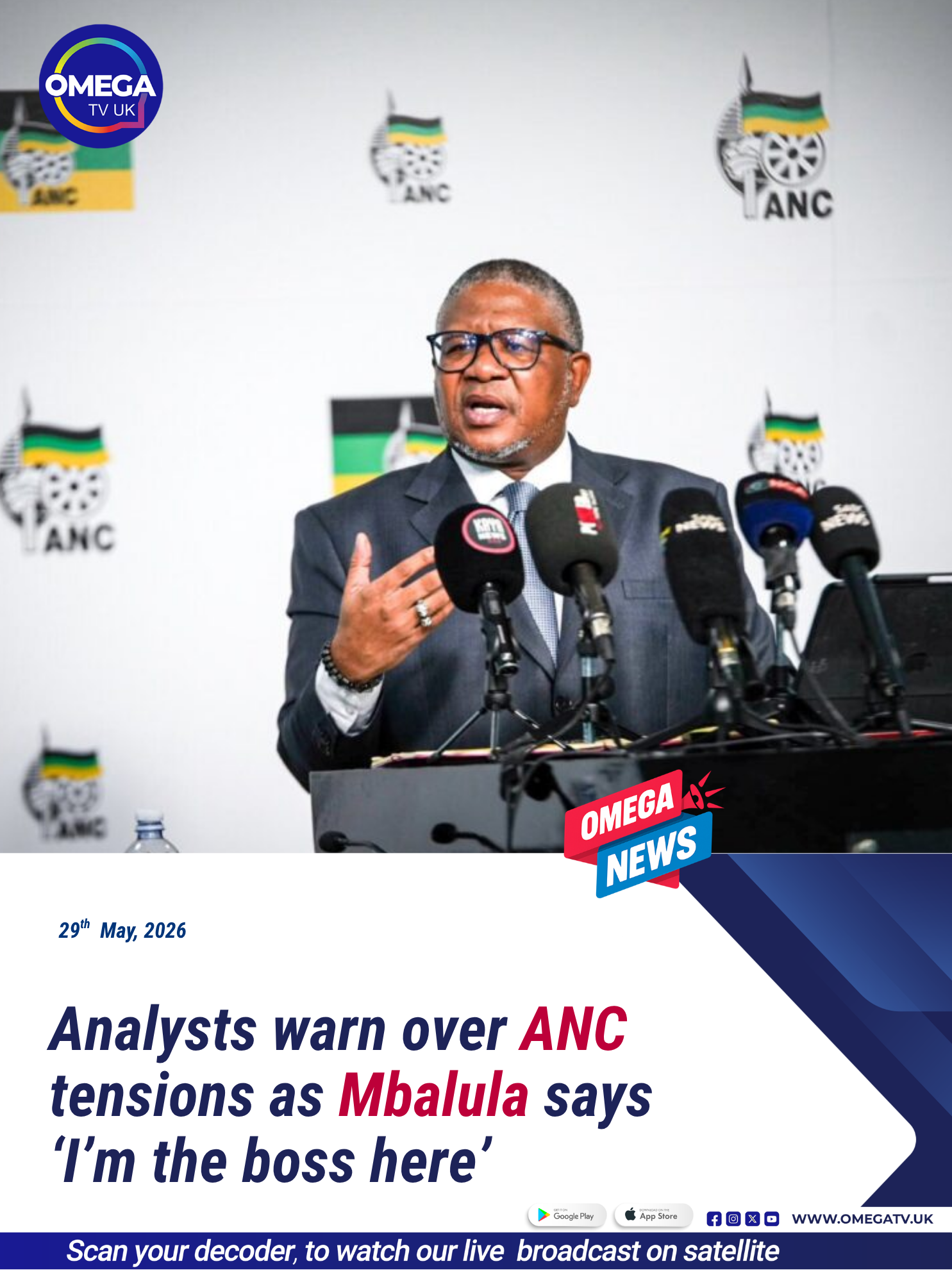
Speaking during a media briefing, Mbalula dismissed suggestions of defiance within ANC ranks and insisted that he remains the central authority within the party’s organisational and communication structures. He rejected claims that ANC Chief Whip Mdumiseni Ntuli had acted independently, stressing that party processes remain coordinated through Luthuli House.
“If I’m secretary-general of the ANC, I’m the main source of information… I’m the boss here,” Mbalula said, adding that all structures ultimately account to the party leadership. He also pushed back against reports of internal conflict, describing delays in submitting committee nominations as part of normal consultation processes.
Parliament confirmed that Speaker Thoko Didiza received the final list of ANC nominees after an extended internal process, even though most other parties met the original deadline. The delays fuelled speculation about disagreements within the ruling party over representation in the high-profile committee.
Political analysts, however, caution against interpreting the developments as evidence of institutional breakdown. Professor Theo Neethling of the University of the Free State said the situation is better understood as coordination pressure within a fragmented parliamentary environment where the ANC no longer holds uncontested dominance.
He said such internal negotiations over committee positions are increasingly visible and can easily be mistaken for deeper political fractures. While not structurally destabilising, he warned that repeated incidents could contribute to perceptions of disunity within the ruling party, particularly as elections approach.
UKZN political analyst Siyabonga Ntombela took a more critical view, arguing that the situation points to weakened coordination between Luthuli House and ANC parliamentary leadership. He said repeated assertions of authority from Mbalula may signal internal strain, suggesting that leadership tensions could be linked to broader succession dynamics within the party.
Ntombela also argued that the impeachment process and internal positioning battles could accelerate political competition within the ANC ahead of the 2027 party leadership cycle and the 2029 general elections. He warned that visible internal disputes may undermine public confidence in the party’s governance capacity.
Independent analyst Goodenough Mashego said the tensions are not unusual for a broad-based political organisation like the ANC. He noted that internal differences often reflect emerging leadership figures and shifting influence within Parliament and party structures.
Mashego added that growing prominence of figures such as Ntuli may be contributing to perceptions of rivalry, but stressed that such dynamics are typical in large political parties navigating changing political conditions.
Despite differing interpretations, analysts agree that the episode highlights ongoing pressure within the ANC as it manages governance responsibilities, coalition politics, and internal leadership transitions in a more competitive political environment.