Benin votes in pivotal election as Wadagni leads race to succeed Talon

Benin is at a critical political crossroads as ballots are being counted following a presidential election that could define the nation’s future for years to come.
The vote marks the end of an era for outgoing president Patrice Talon, who is stepping down after serving two terms. His departure opens the door for new leadership at a time when the country is balancing strong economic growth with rising concerns about inequality and democratic inclusiveness.
Leading the race is Romuald Wadagni, the current finance minister and a key figure in Talon’s administration. Widely seen as the frontrunner, Wadagni has the backing of ruling parties and is expected to continue many of the economic policies that have shaped Benin’s recent development.
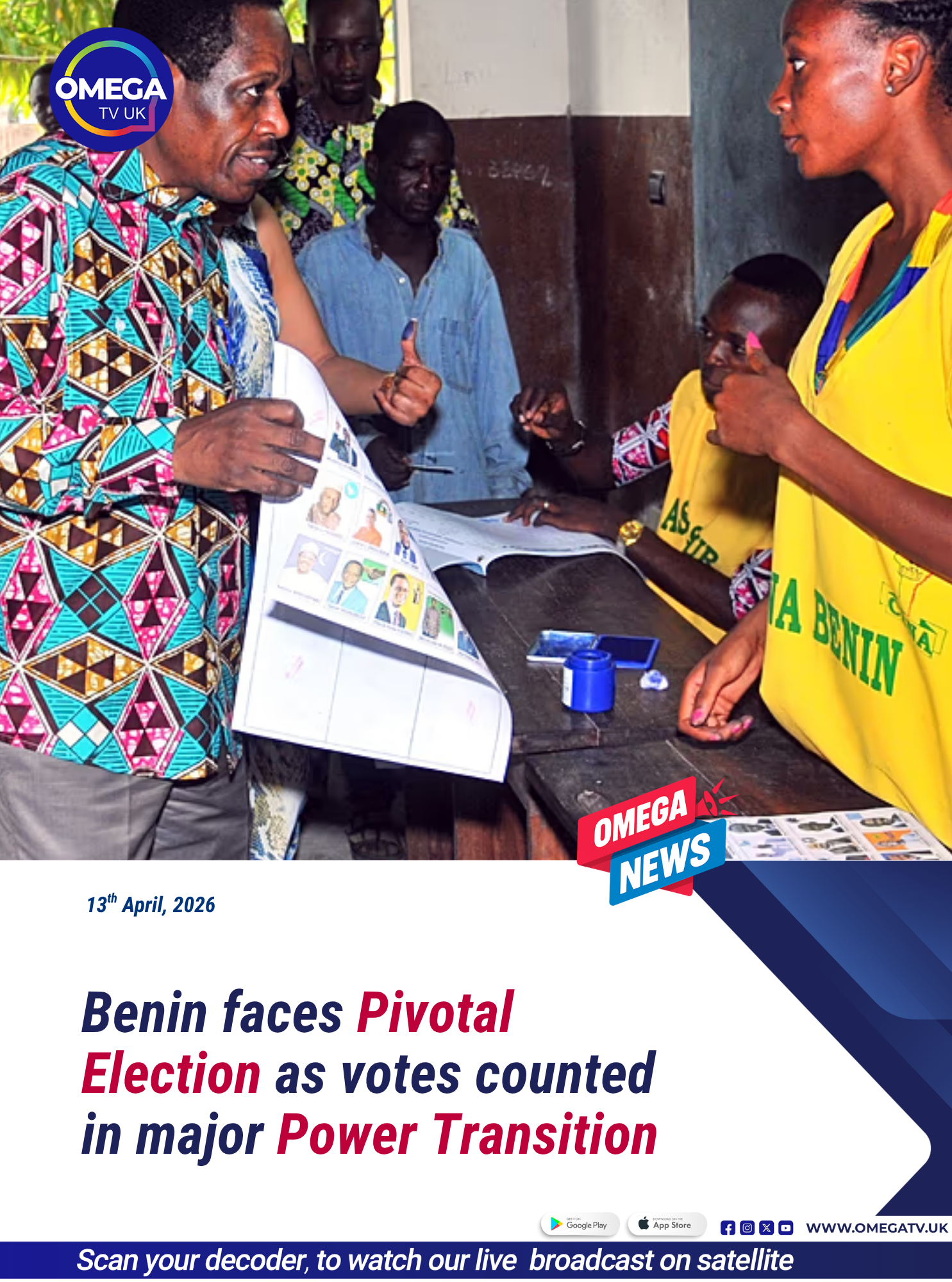
According to Sacca Lafia, voting proceeded calmly across most of the country. However, civil society groups reported around 100 irregular incidents, including early openings of polling stations and cases of suspiciously full ballot boxes. While these reports have not overshadowed the overall process, they have raised concerns about transparency.
Turnout appears to have been relatively modest, particularly in urban areas like Cotonou, where some polling stations saw fewer voters than expected despite nearly eight million people being eligible to cast ballots.
One of the most striking features of the election has been the absence of strong opposition. Wadagni’s main challenger, Paul Hounkpe, has run a low-profile campaign. Meanwhile, the country’s main opposition party failed to field a candidate entirely, fueling frustration among voters and prompting questions about the inclusiveness of the political process.
Critics argue that the lack of a competitive opposition weakens the democratic balance, even as the country maintains a reputation for relative stability in a region often marked by political turbulence.
Economically, Benin has experienced significant progress under Talon’s leadership. Over the past decade, the country’s gross domestic product has doubled, and major infrastructure projects have transformed key sectors. Roads, ports, and public services have seen notable improvements, positioning Benin as one of West Africa’s more dynamic economies.
However, this growth has not been evenly distributed. Poverty levels remain above 30 percent, and many citizens feel that the benefits of development have not reached all segments of society. This disconnect between macroeconomic success and everyday realities has become a central issue in the election.
Security challenges are also emerging as a growing concern. Northern regions of Benin have experienced increasing threats from jihadist groups spilling over from neighbouring Sahel countries. Addressing these risks will be a key priority for the next administration.
Younger voters, in particular, are demanding more inclusive policies. Citizens like Landry Sodogandji have called for greater engagement with youth and improved social programmes. His views reflect a broader sentiment among the population that while progress has been made, more needs to be done to ensure opportunity and cohesion.
Adding to the significance of this election is a recent constitutional reform that extends presidential terms to seven years. This means the next leader will have a longer mandate, potentially shaping Benin’s political and economic trajectory until at least 2033.
As vote counting continues, the outcome will not only determine the country’s next president but also signal the direction Benin will take in balancing growth, security, and democratic values.