Democratic Republic of the Congo and AFC/M23 rebels agree to improve humanitarian access

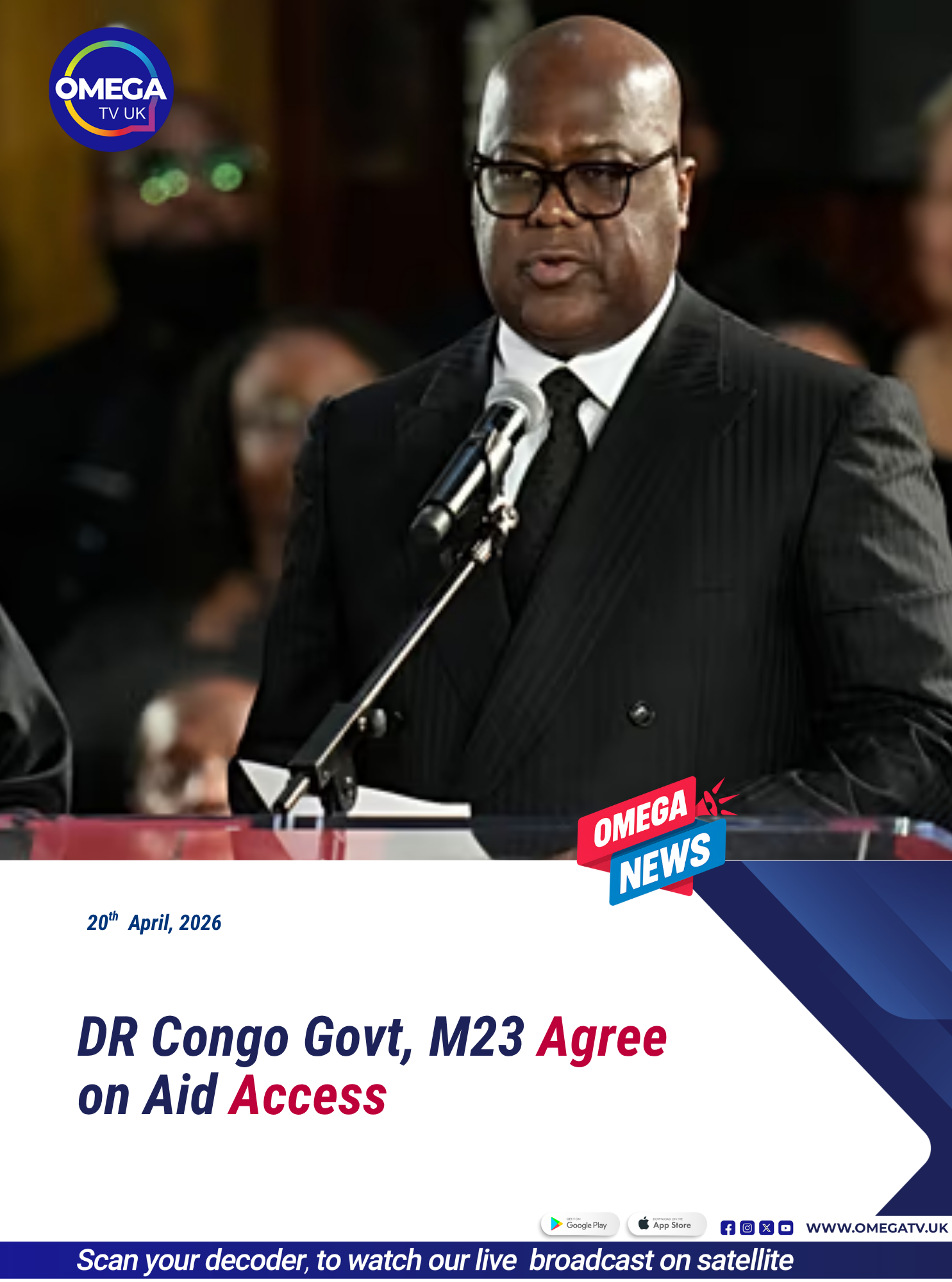
The government of the Democratic Republic of the Congo and the AFC/M23 rebel coalition have reached a significant step forward in ongoing peace efforts, agreeing to ease humanitarian access and take measures aimed at reducing civilian suffering in conflict-affected areas.
The agreement follows five days of negotiations held in Switzerland, where both sides met with international mediators, including representatives from Qatar, the United States, Togo and the African Union. The talks were part of broader efforts to implement a framework peace deal signed in Doha in November.
In a joint statement released at the end of the discussions, both parties confirmed their commitment to facilitating the safe passage of humanitarian workers and aid convoys. This move is expected to improve access to vulnerable populations in eastern parts of the country, where ongoing violence has disrupted essential services and displaced communities.
The agreement also includes a pledge from both sides to refrain from targeting civilian populations and critical infrastructure. This commitment is seen as a key step toward building trust and reducing harm to non-combatants, who have borne the brunt of the prolonged conflict.
In addition to humanitarian measures, the parties agreed to begin releasing prisoners within 10 days. The arrangement involves a total of 477 detainees, with 311 individuals currently held by the AFC/M23 rebels and 166 in custody of the Congolese government. The prisoner release is viewed as a confidence-building measure designed to support further negotiations.
Another important outcome of the talks is progress on establishing a joint ceasefire monitoring mechanism. Under the proposed framework, on-the-ground monitoring missions are expected to begin within a week. These operations will be supported logistically by MONUSCO, the United Nations peacekeeping mission in the DRC.
The conflict in eastern Congo has been one of Africa’s most complex and long-running crises, involving multiple armed groups and regional dynamics. The resurgence of the M23 rebel movement in recent years has intensified fighting, leading to widespread displacement and humanitarian challenges.
Efforts to reach a lasting peace have been ongoing for years, with regional and international actors playing a crucial role in facilitating dialogue. The Doha agreement signed in November marked a renewed attempt to stabilise the situation, but implementation has faced delays and setbacks.
The latest progress in Switzerland suggests that both sides are willing to take practical steps toward reducing tensions, even as deeper political and security issues remain unresolved. Observers say the success of these measures will depend on consistent implementation and continued engagement from all parties involved.
Humanitarian organisations have welcomed the agreement, noting that improved access could make a significant difference in delivering food, medical care and other essential aid to affected communities. However, they have also cautioned that conditions on the ground remain fragile and require sustained attention.
The involvement of multiple international mediators underscores the global concern over the situation in the DRC and the importance of coordinated diplomatic efforts. Countries and organisations participating in the talks have emphasised the need for accountability, transparency and long-term commitment to peace.
While challenges remain, the agreement represents a cautious step forward in a conflict that has caused immense human suffering. The coming weeks will be critical in determining whether these commitments translate into tangible improvements for civilians caught in the crossfire.
As ceasefire monitoring begins and prisoner releases are carried out, attention will turn to whether the momentum from these talks can be maintained and built upon in future negotiations.