Ghana TikToker Jailed for Spreading False Claims About President Mahama
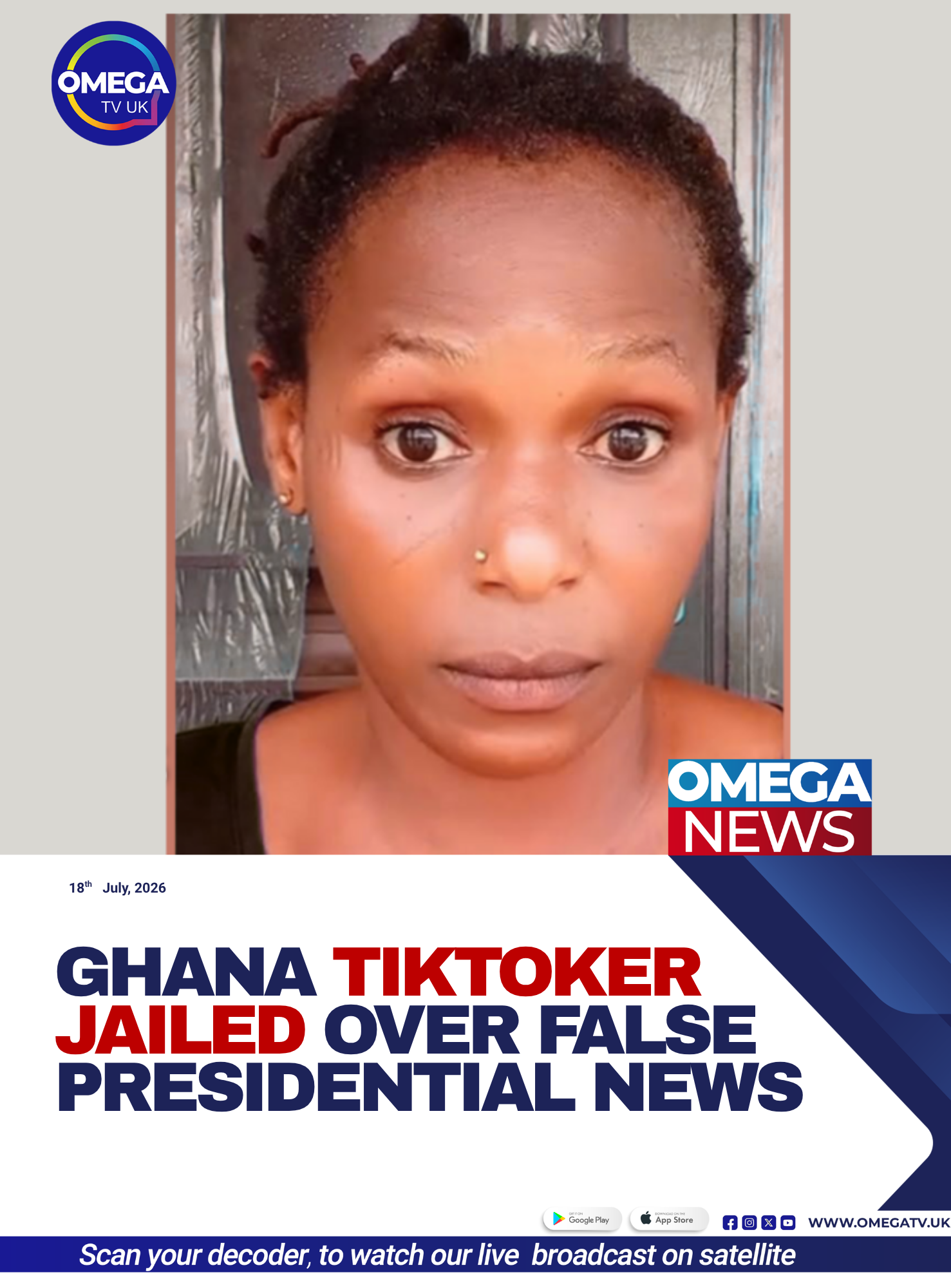
A Ghanaian TikToker has been sentenced to one year in prison after pleading guilty to charges of offensive conduct and publishing false information about President John Dramani Mahama.

Camilla Alhassan, 43, was convicted after sharing several TikTok videos in which she falsely alleged that President Mahama sacrificed 32 cows in a ritual to help him win the 2024 general election. She did not provide any evidence to support the claims.
Alhassan also claimed that a government initiative to distribute sanitary pads to flood victims was intended to cover up the alleged ritual.
The videos, which were widely shared on social media, led to her arrest earlier this month and sparked national debate about misinformation, free speech and the responsibility of content creators.
During sentencing, the court rejected an appeal for a more lenient punishment, ruling that a prison sentence was necessary to discourage others from spreading false information online.
The judge said the growing spread of misinformation on social media has become a serious concern and that a custodial sentence would serve as a deterrent.
Prosecutors argued that Alhassan, who has more than 70,000 TikTok followers, knowingly published false and defamatory allegations against the president, causing public concern and damaging his reputation.
Her conviction has renewed discussions in Ghana over how authorities should address fake news while protecting constitutional rights to freedom of expression.
The case is not the first involving a social media influencer in Ghana.
In September last year, popular TikToker David Kwodwo Prah Afful, widely known as Kwame Nkrumah II, was sentenced to seven months in prison after being found guilty of making death threats against President Mahama and members of Parliament in a viral video.
The Ghanaian government has repeatedly expressed concern about the rapid spread of misinformation on digital platforms.
Last year, President Mahama warned that individuals who deliberately spread false information, hate speech or content capable of causing fear and panic would face legal consequences.
“I’m sending a signal to Ghanaians that if you peddle falsehood, hate speech and make utterances to cause fear and panic, we will find you,” the president said during a press conference.
Communications Minister Samuel Nartey George also announced plans to introduce legislation aimed at tackling misinformation and disinformation online.
According to the government, the proposed law seeks to establish a legal framework to combat false information while preserving the constitutional right to free speech.
Ghana is widely recognised as one of West Africa’s strongest democracies, with a vibrant media environment and legal protections for freedom of expression.
However, the growing influence of social media has intensified concerns about the spread of false information, leading to calls for stronger regulation while rights groups continue to caution against measures that could limit legitimate public debate.