Pope Leo XIV Urges African Youth to Stay and Fight Corruption During Cameroon Visit

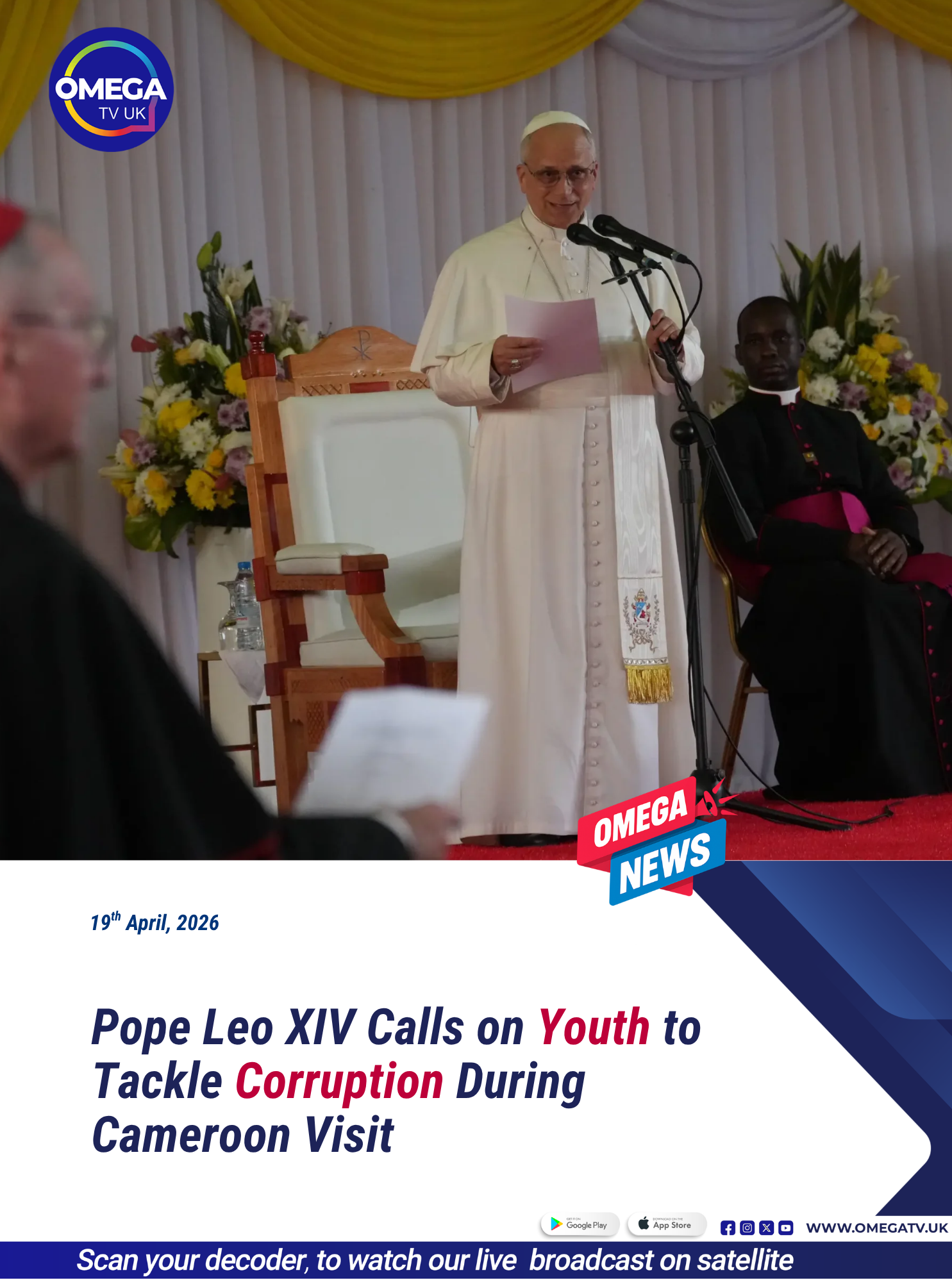
Pope Leo XIV has called on young Africans to remain in their home countries and play an active role in building stronger societies, as he continued his multi-nation tour across the continent with a major stop in Yaoundé.
The Pope delivered his message during a series of engagements in Cameroon, where he celebrated Mass attended by thousands, including President Paul Biya. His visit forms part of an 11-day African tour aimed at addressing key social, economic, and moral challenges facing the continent.
Speaking during a separate Mass earlier in the visit, the pontiff urged young people to resist the growing temptation to migrate abroad in search of better opportunities. Instead, he encouraged them to remain in their communities and contribute to national development.
He emphasised that Africa’s future depends heavily on its youth, calling on them to become agents of change in tackling issues such as corruption, inequality, and social instability. According to the Pope, meaningful transformation can only happen when citizens commit to ethical leadership and collective responsibility.
“Reject every form of corruption and injustice,” he told worshippers, stressing that moral integrity is essential for long-term progress. His remarks were met with strong reactions from the crowd, particularly young attendees who make up a significant portion of Cameroon’s population.
Cameroon is one of Africa’s youngest nations demographically, with a median age of just 18. This youthful population presents both an opportunity and a challenge, as governments and institutions seek to provide employment, education, and stability for millions entering adulthood.
The Pope acknowledged the pressures facing young Africans, including unemployment and limited economic prospects, which often drive migration to Europe and other regions. However, he warned that leaving the continent in large numbers could weaken local communities and delay development efforts.
Instead, he encouraged young people to “stay and build,” describing their role as critical in shaping a more just and prosperous future. He also highlighted the importance of faith, education, and civic engagement in driving positive change.
During the Mass in Yaoundé, the Pope focused on unity, peace, and responsibility, blessing the crowd and calling for renewed commitment to national values. President Paul Biya’s presence at the service underscored the significance of the visit, which has drawn both religious followers and political attention.
The Pope’s visit comes at a time when many African nations are grappling with governance challenges, including corruption, economic inequality, and political instability. His message aligns with broader calls from civil society groups for stronger accountability and leadership across the continent.
Friday marked the midpoint of the Pope’s four-country tour, which aims to strengthen ties between the Catholic Church and African communities while addressing pressing social issues. After Cameroon, he is scheduled to travel to Angola, a country rich in natural resources but still facing widespread poverty.
Despite its oil wealth, Angola continues to struggle with economic inequality, with a significant portion of its population living below the global poverty line. The Pope is expected to address similar themes there, including social justice, economic fairness, and the role of faith in national development.
Cameroon itself remains an important centre for the growth of Catholicism in Africa, with rising numbers of priestly vocations and an expanding church community. The Pope’s visit is seen as both a spiritual and strategic engagement with a region where religion continues to play a major role in daily life.
As his tour continues, Pope Leo XIV’s message remains clear: Africa’s future lies in the hands of its people, especially its youth, who are being called upon to lead change from within rather than seek opportunities elsewhere.