Sudan Court Sentences RSF Leader Mohamed Hamdan Daglo to Death in Absentia
First Major Verdict Against RSF Leadership Since War Began
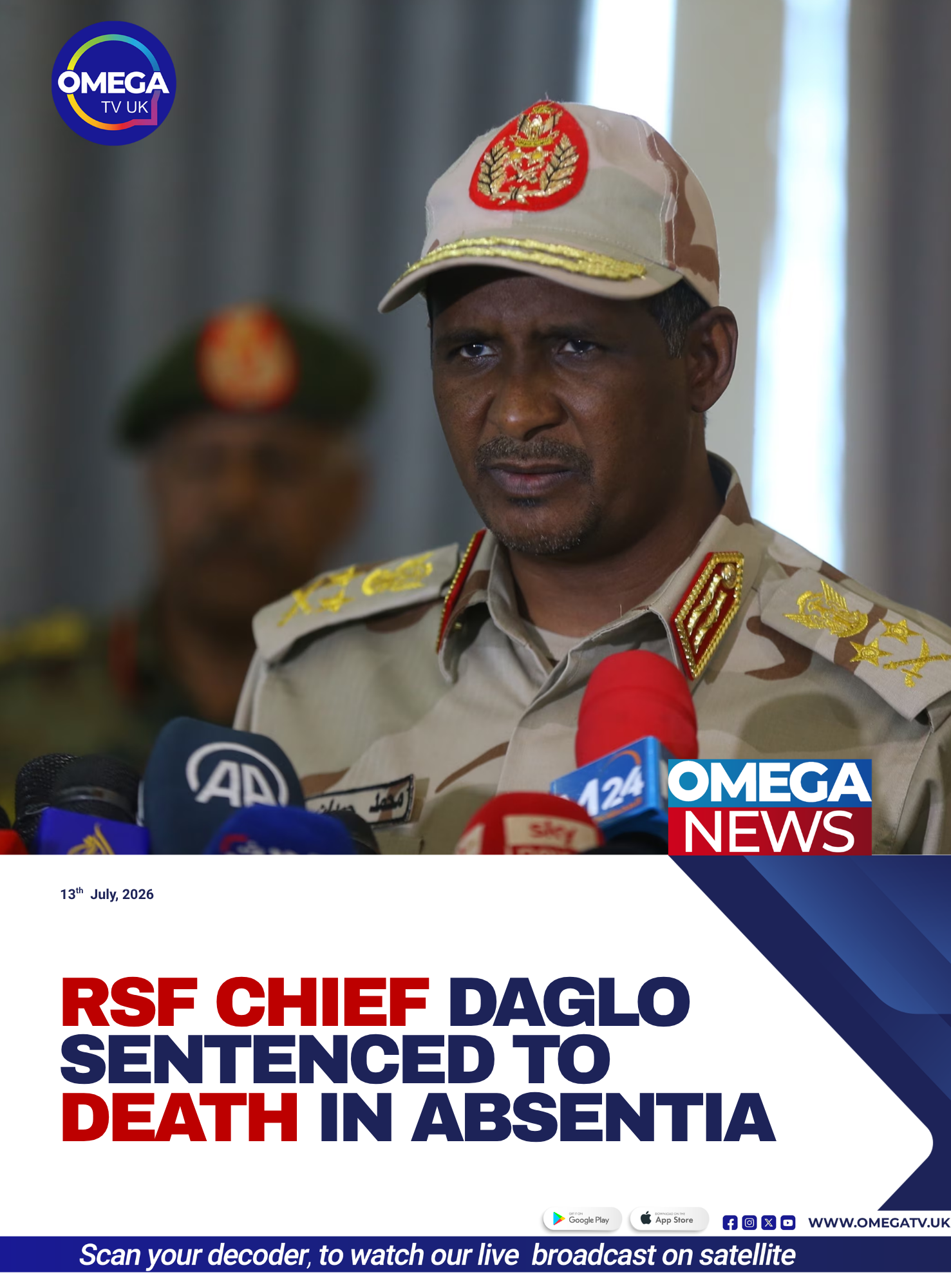
A Sudanese court in the army-controlled city of Port Sudan has sentenced Rapid Support Forces (RSF) leader Mohamed Hamdan Daglo, also known as Hemedti, and 15 others to death in absentia over allegations of war crimes and the killing of a regional governor.

The ruling marks the first major legal action against the RSF leadership since fighting between the paramilitary group and Sudan’s army began in April 2023.
Leaders Convicted Over War Crimes Charges
According to Sudan’s state news agency SUNA, the court convicted Daglo and other defendants of war crimes, crimes against humanity, genocide and attacks on civilians and public infrastructure.
Those sentenced include Daglo’s brother and deputy, Abdelrahim Hamdan Daglo, along with several RSF commanders and tribal leaders from Arab communities in West Darfur.
The court said the case would be referred to the Supreme Court for review and that authorities would seek the arrest and extradition of those convicted through international channels, including Interpol.
Case Linked to Killing of West Darfur Governor
The trial focused on the 2023 killing of West Darfur governor Khamis Abbakar, who was killed shortly after accusing RSF forces and allied militias of carrying out attacks against civilians.
The killing occurred after RSF fighters captured El-Geneina, the capital of West Darfur.
United Nations experts have said between 10,000 and 15,000 people, mainly from the Massalit ethnic group, were killed in the violence that followed.
RSF Denies Allegations
The RSF has repeatedly rejected accusations of genocide and other war crimes, denying responsibility for the violence.
The group has been fighting Sudan’s military since the collapse of relations between army chief Abdel Fattah al-Burhan and Daglo.
The two leaders had previously worked together during the 2021 military coup that ended Sudan’s transition towards civilian rule before disagreements over integrating the RSF into the army triggered open conflict.
War Creates Humanitarian Crisis
Sudan’s conflict has now entered its fourth year, causing widespread destruction across the country.
The fighting has killed tens of thousands of people, displaced more than 11 million and created one of the world’s largest humanitarian crises, with millions facing severe hunger and shortages of essential supplies.
The latest court ruling represents a significant development in Sudan’s ongoing struggle for accountability, although questions remain over whether those convicted can be brought before the courts.