Iran halts new talks after US seizes cargo ship amid rising tensions

Tensions between Iran and the United States have escalated sharply after Tehran announced it has “no plans” to enter a new round of peace talks following the seizure of an Iranian cargo ship by US forces.
The development comes as a fragile two-week ceasefire between the two countries edges closer to its expiration on Wednesday, raising fears that the situation could quickly spiral into further conflict. Despite diplomatic efforts, prospects for meaningful negotiations now appear increasingly uncertain.
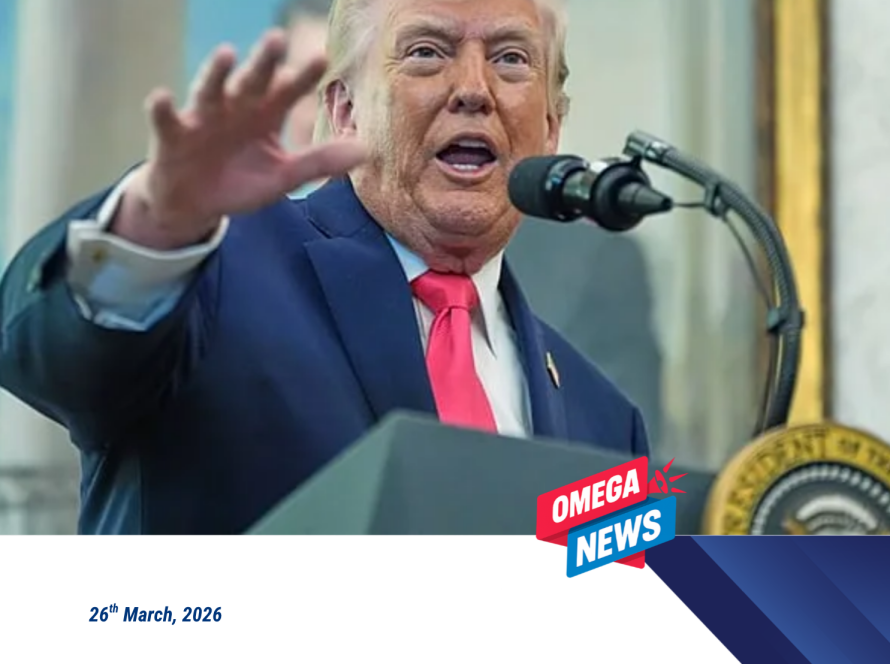
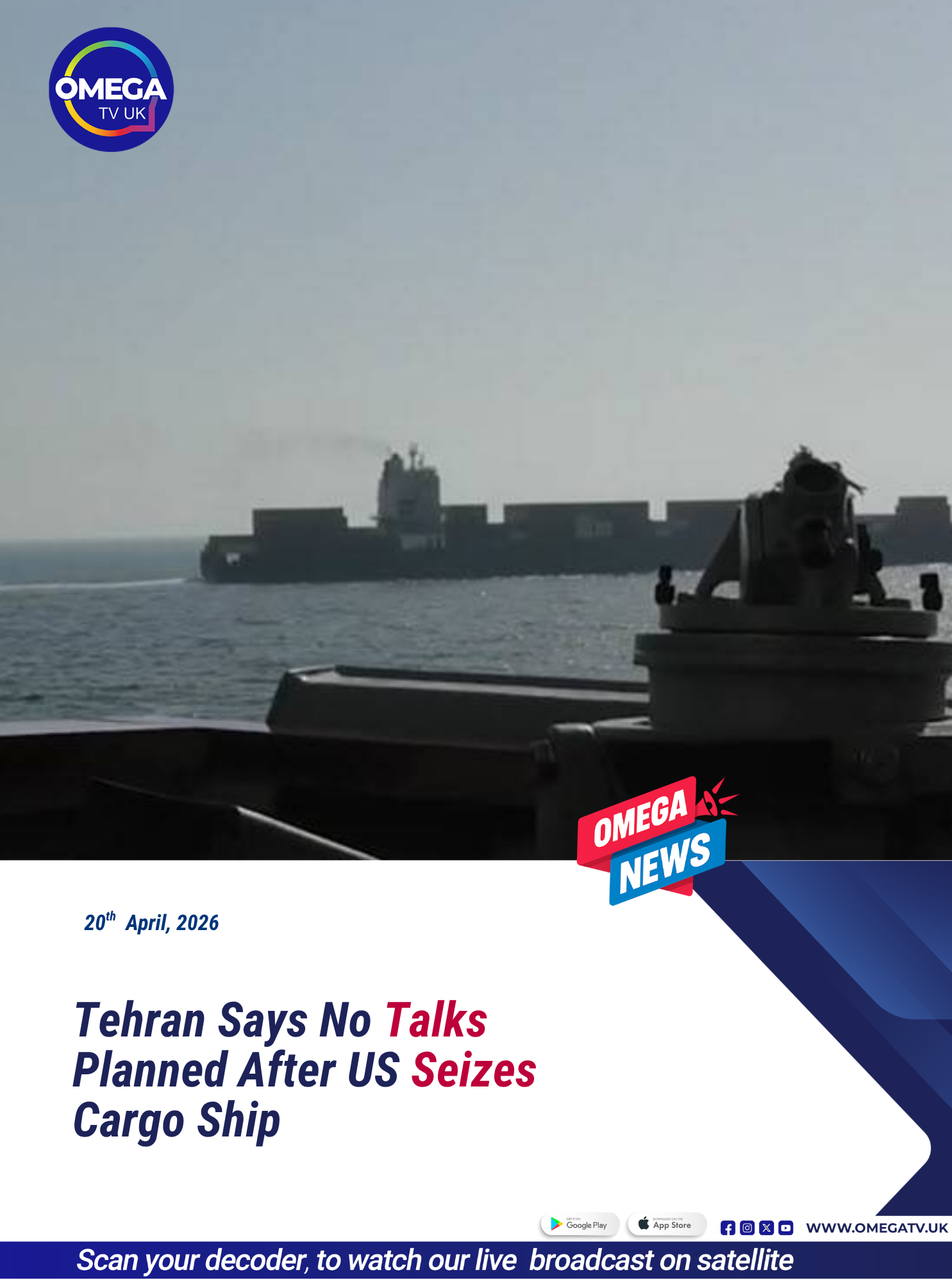
According to US President Donald Trump, American naval forces intercepted and seized the Iranian vessel after it allegedly attempted to bypass a blockade imposed on Iranian ports. Trump claimed the ship had been issued a “fair warning” to stop but failed to comply.
“They refused to listen, so our Navy ship stopped them right in their tracks by blowing a hole in the engine room,” Trump said, describing the dramatic operation. Audio and video circulating online appear to show US forces warning the vessel to evacuate its engine room before opening fire.
The seizure marks a significant escalation in an already volatile standoff, with Iran viewing the action as a direct provocation. Iranian officials have strongly condemned the move, with military leaders warning that retaliation is likely.
State-affiliated Iranian media have reported that drones were launched toward US naval assets in response, although there have been no confirmed reports of damage or casualties. The lack of verified impact has done little to ease concerns, as both sides continue to exchange threats and warnings.
The standoff is unfolding against the backdrop of a broader geopolitical struggle in the region, where control of vital shipping routes and economic pressure tactics have become central points of contention. The blockade of Iranian ports by the US has been a key factor in the ongoing dispute, significantly restricting Tehran’s ability to export goods and maintain trade flows.
Meanwhile, diplomatic efforts appear to be faltering. A US delegation led by Vice-President JD Vance is reportedly heading to Pakistan in an attempt to revive dialogue. However, analysts caution that the likelihood of a breakthrough remains slim given the current level of hostility.
Security experts note that incidents at sea are particularly dangerous, as they carry a high risk of miscalculation. A single confrontation can quickly escalate into a broader military engagement, especially in a region already on edge.
The situation has also had an immediate economic impact. Global markets reacted nervously to the developments, with oil prices experiencing volatility amid concerns over potential disruptions to supply routes. The region is a critical hub for energy exports, and any prolonged instability could have far-reaching consequences for the global economy.
For now, both Washington and Tehran appear to be holding firm to their positions. The US continues to insist that its actions are necessary to enforce its blockade and maintain pressure on Iran, while Tehran views the measures as unjustified aggression that violates international norms.
As the ceasefire deadline approaches, the absence of active negotiations raises the stakes considerably. Without diplomatic engagement, the risk of further confrontation increases, leaving the international community watching closely for signs of escalation or de-escalation.
With tensions simmering and communication channels strained, the coming days are likely to be critical in determining whether the situation stabilises or moves toward a more dangerous phase of conflict.