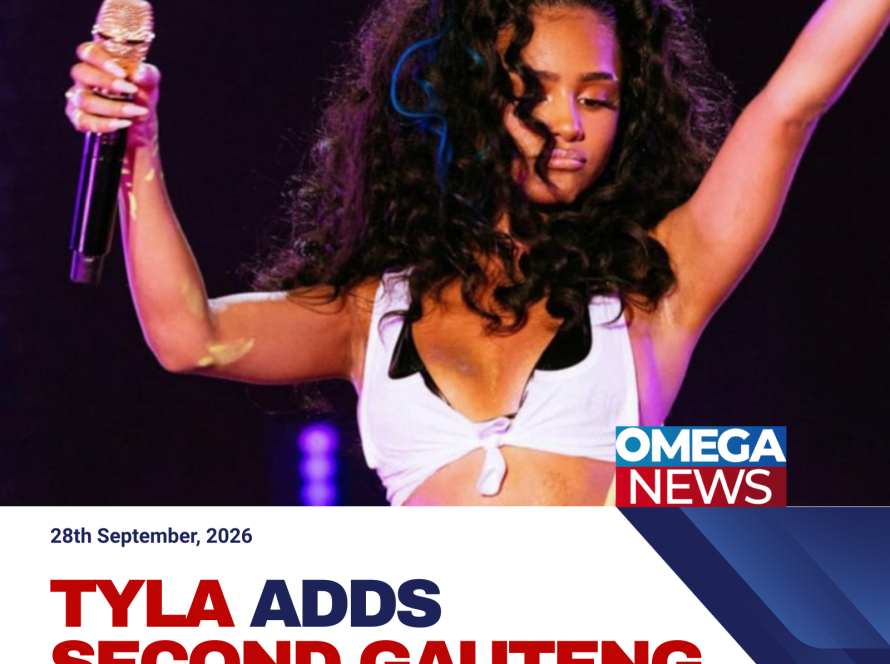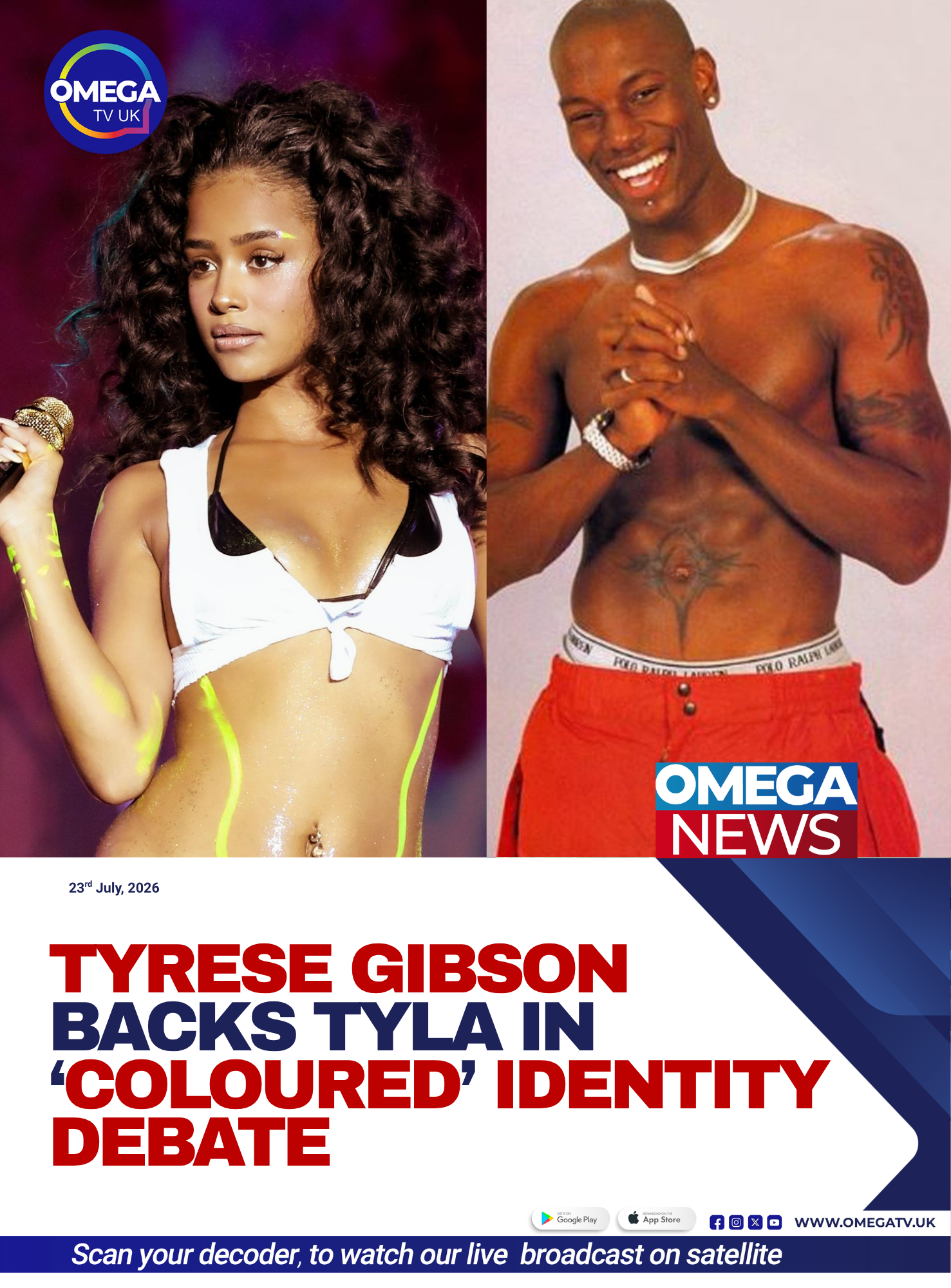
Singer says cultural context matters as Tyla explains differences in racial identity across countries.
American singer and actor Tyrese Gibson has publicly defended South African Grammy-winning star Tyla as discussions continue over her decision to identify as Coloured. The debate gained renewed attention after Tyla spoke openly about the criticism she received from some American audiences regarding her racial identity during an appearance on Apple Music’s The Ebro Show,

According to Tyla, she was surprised by the backlash because, growing up in South Africa, identifying as Coloured was simply part of who she was. She explained that for most of her life, she never questioned the term or felt the need to explain it, as it reflected the identity she had always known within her country,
The controversy largely stems from the different meanings attached to the word “Coloured” in different parts of the world. In the United States, the term is considered outdated and offensive because of its historical links to racial segregation and discrimination. In South Africa, however, Coloured refers to a recognised ethnic and cultural community with its own unique heritage shaped by the country’s apartheid history,
Reflecting on the criticism, Tyla admitted that she initially found the reaction confusing. She explained that before her appearance on The Breakfast Club, she had already answered questions about her identity, only to receive criticism online. The unexpected response left her unsure of how to explain something that had always felt natural to her,
The “Water” hitmaker said travelling internationally changed her perspective and helped her understand that racial identity and terminology can have very different meanings depending on a country’s history and culture. She acknowledged that what is acceptable in one nation may carry painful historical significance in another,
Tyla noted that learning about these differences made her realise the conversation would not be easy. She said understanding the American perspective helped her appreciate why some people were offended, even though her intentions were never to cause harm or disrespect,
She also pointed out that South Africa has its own racially offensive words and expressions, making it easier for her to relate to why certain terms can trigger emotional reactions in different societies. She stressed that understanding context is essential when discussing race and identity across cultures,
Tyrese Gibson joined the conversation by showing his support for Tyla, arguing that people should recognise the cultural differences behind her identity rather than judge her using American historical standards. His comments have sparked fresh discussions online about respecting cultural diversity and understanding global perspectives,
The debate has generated mixed reactions on social media, with many users supporting Tyla’s explanation while others continue to argue that racial terminology should be approached carefully, especially on international platforms. The discussion has highlighted how global fame often exposes artists to different cultural expectations,
As Tyla’s international career continues to grow, the conversation surrounding identity, culture, and language remains an important reminder that words often carry different meanings across borders. Many supporters believe her experience underscores the importance of listening, learning, and understanding cultural context before making judgments.