Government takes control of major steel producer to secure jobs and safeguard national manufacturing capacity
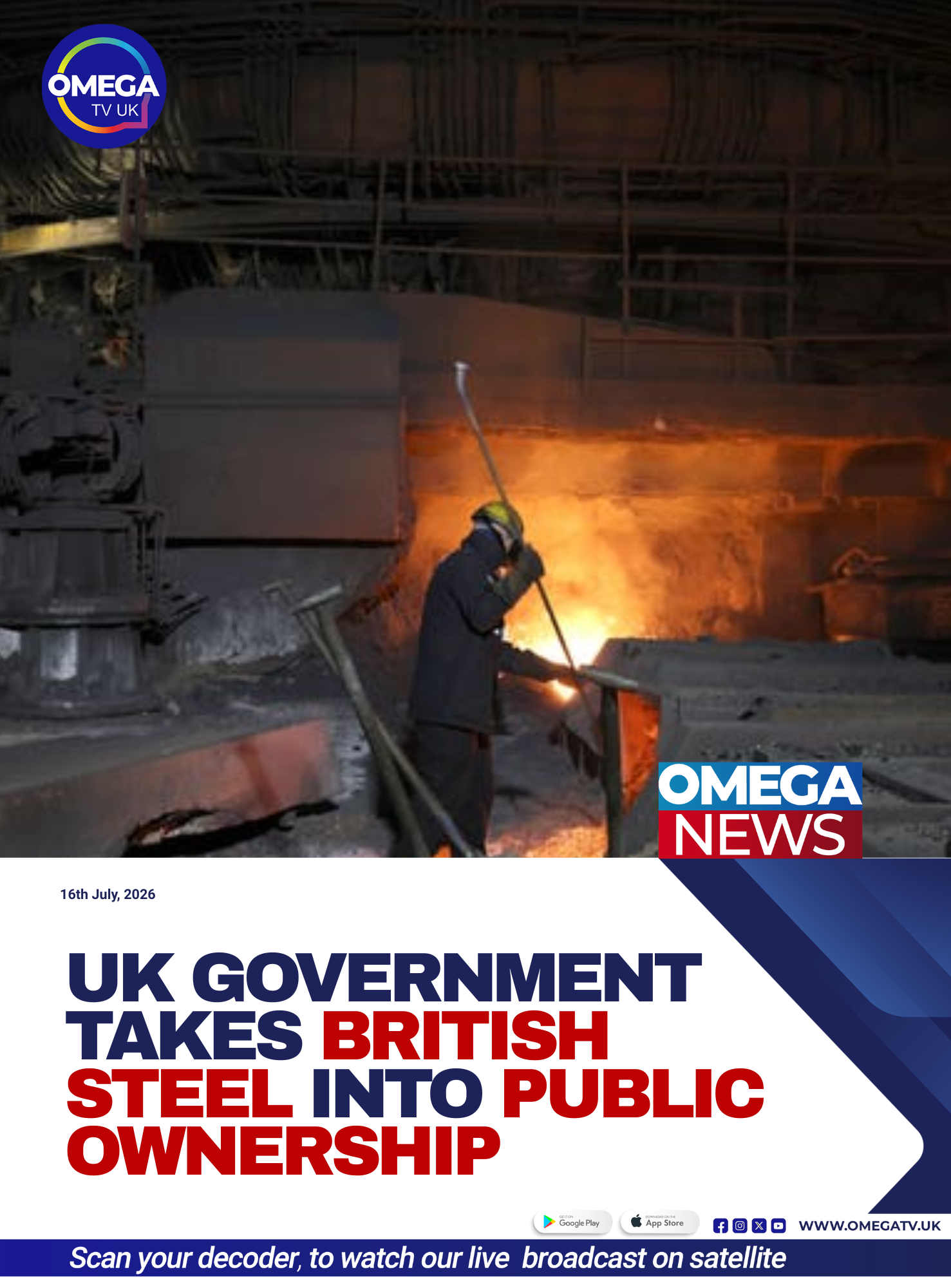
British Steel has officially entered public ownership after the UK government moved to secure the future of the country’s steel industry and protect thousands of skilled jobs.

The decision places the future of the Scunthorpe steelworks, which employs around 2,700 people and supports many more jobs across north Lincolnshire, under government control following years of uncertainty over its survival.
Prime Minister Sir Keir Starmer said the move would protect a vital part of Britain’s industrial foundation.
“Today’s decision secures the future of steelmaking in the UK, protects skilled jobs and safeguards a vital national capability,” Starmer said.
Although the government took operational control of British Steel’s Scunthorpe site last year, the company remained owned by Chinese firm Jingye Group until the latest move.
Jingye had previously warned that the business was losing around £700,000 a day and has started seeking compensation following the nationalisation process. However, the UK government has indicated that compensation could be limited or potentially refused depending on legal considerations.
The government’s decision followed the passing of new legislation allowing ministers to bring steel companies into public ownership if it is considered necessary in the public interest.
Business Secretary Peter Kyle said British Steel now belongs to the public and that the government’s priority would be securing its long-term future.
“British Steel now belongs to the British people, and our focus is on the future: stabilising the business, backing the communities that rely on it and building a sustainable, competitive and decarbonised steel sector,” Kyle said.
The move comes after the government previously attempted to find private investors willing to take over the steel producer, but officials later decided direct intervention was needed.
The Department for Business and Trade said the Steel Act gives ministers the power to nationalise steel companies when necessary to protect industries that support national infrastructure, the economy and defence.
The government seized control of the Scunthorpe plant in April 2025 after Jingye raised concerns about closing the site’s final two blast furnaces.
Officials warned that allowing the furnaces to shut down completely could have resulted in the UK losing its ability to produce “virgin steel” — a process where iron is extracted from raw materials to create new steel used in construction, transport and major infrastructure projects.
The loss of this capability would have made the UK the only G7 nation unable to produce virgin steel, raising concerns about economic security and dependence on overseas suppliers.
A National Audit Office report published in March found that maintaining the Scunthorpe operation was costing the government approximately £1.3m per day.
The government said maintaining a strong domestic steel industry is essential to its plans to rebuild Britain’s industrial base and reduce reliance on international supply chains for strategically important materials.
British Steel was purchased by Jingye Group in 2020, a year after the company entered compulsory liquidation under its previous owner, private equity firm Greybull Capital.
The government has described the nationalisation as a necessary step to protect Britain’s manufacturing future, preserve skilled employment and ensure the country maintains the ability to produce essential industrial materials.