Arts Sector in Crisis as Gayton McKenzie’s Funding Cuts Shake South Africa’s Creative Industry

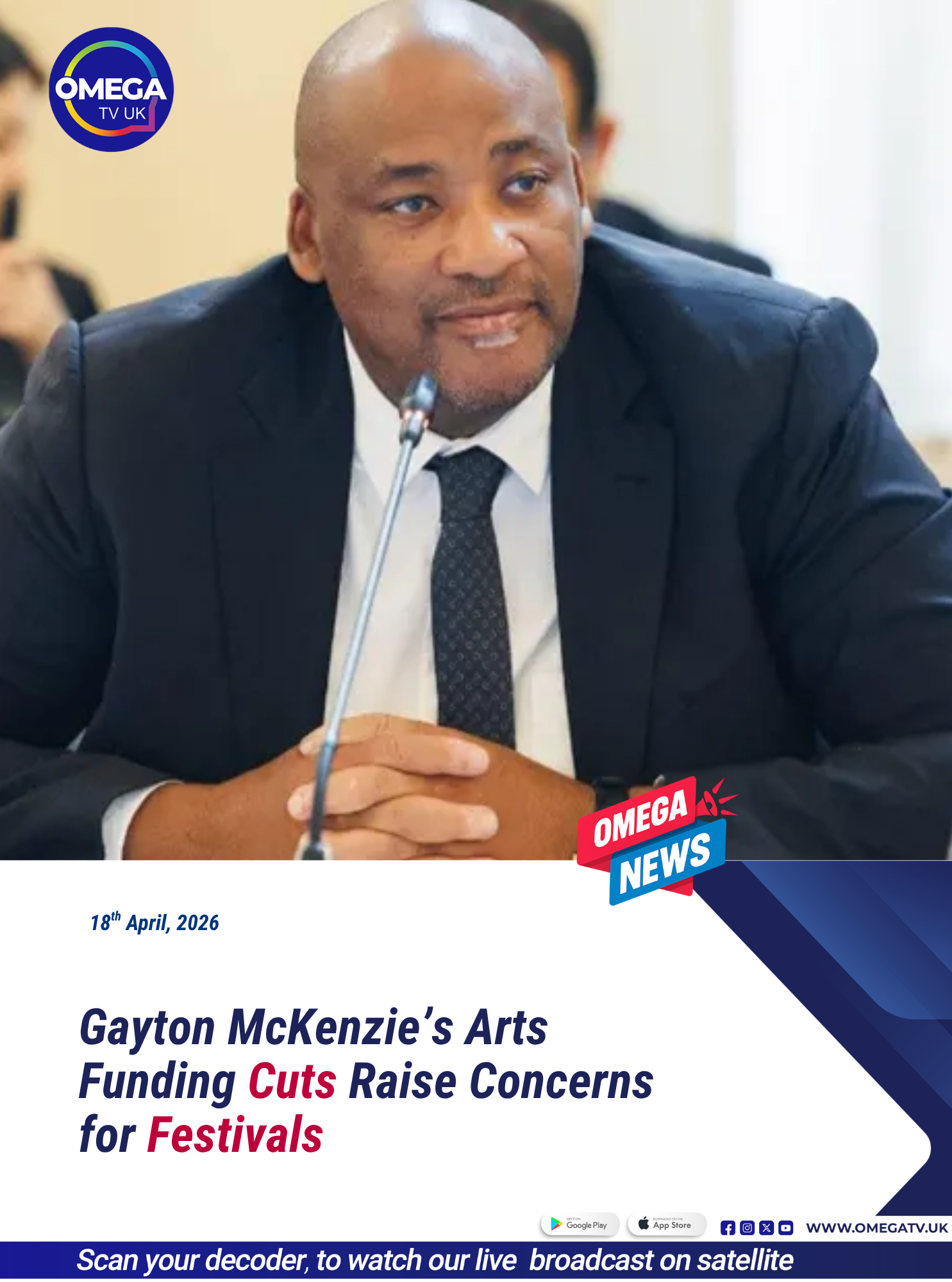
South Africa’s arts and culture sector is facing growing uncertainty as funding cuts under Sports, Arts and Culture Minister Gayton McKenzie continue to impact major festivals, productions, and creative institutions across the country.
At the centre of the controversy is the Department of Sport, Arts and Culture (DSAC), which has either reduced or withdrawn financial support from several long-standing cultural platforms. These institutions have historically played a key role in sustaining the country’s creative economy, supporting artists, and driving tourism.
Industry insiders say the effects are already being felt across multiple sectors. Film, television, music, and live events are all experiencing strain, with many creatives struggling to secure funding or maintain operations.
A major concern raised within the industry is the breakdown of South Africa’s film incentive system, managed by the Department of Trade, Industry and Competition. Between March 2023 and March 2024, rebate approvals stalled, leaving millions of rands unpaid and discouraging international productions from choosing South Africa as a filming destination.
Producers have reportedly begun looking elsewhere, citing the lack of financial incentives as a key reason. According to sources, international partners — including Canadian production companies — are increasingly unwilling to invest in South Africa without the support of rebate systems that previously boosted the industry.
The ripple effects extend beyond film sets. The creative economy supports a wide network of businesses, including hotels, transport services, catering companies, and technical crews. With fewer productions and events taking place, many of these service providers are also experiencing financial pressure.
Some creatives have been forced to seek personal financial support to stay afloat. Reports from within the sector describe delayed payments, stalled projects, and growing uncertainty about future opportunities.
The situation is further complicated by challenges within the broadcasting space. SABC and MultiChoice have both faced criticism, with reports suggesting delays in production contracts and concerns about governance issues.
Minister McKenzie has defended the funding cuts, arguing that the current system disproportionately benefits established institutions. He maintains that the changes are necessary to promote transformation and create opportunities for new entrants in the industry.
According to McKenzie, the shift is intended to break what he describes as a culture of entitlement among recurring beneficiaries of state funding. He has stated that resources should be distributed more broadly to support emerging talent and expand access within the creative sector.
However, critics argue that the approach risks destabilising the very ecosystem that supports both established and emerging artists. Opposition voices, including members of the Democratic Alliance, have strongly criticised the funding decisions.
MP Leah Potgieter described cultural festivals as essential economic drivers, noting that they contribute billions to the economy while preserving South Africa’s diverse cultural identity.
Several high-profile festivals have been affected, including the Cape Town International Jazz Festival and the National Arts Festival. Organisers warn that without consistent funding, the long-term sustainability of these events is at risk.
At the same time, critics have questioned the allocation of funds to large sporting events such as LIV Golf, arguing that resources are being diverted away from the arts sector.
Industry organisations, including the South African Roadies Association, have also voiced concern, accusing the department of undermining job creation and youth development within the creative economy.
While the government maintains that reforms are necessary for transformation, many in the arts community believe the current strategy could lead to long-term damage if not carefully managed.
As the debate continues, the future of South Africa’s creative industry hangs in the balance, with artists, organisers, and businesses calling for urgent dialogue and sustainable solutions.