Senior Civil Servant to Face MPs Over Mandelson Vetting Clearance Controversy

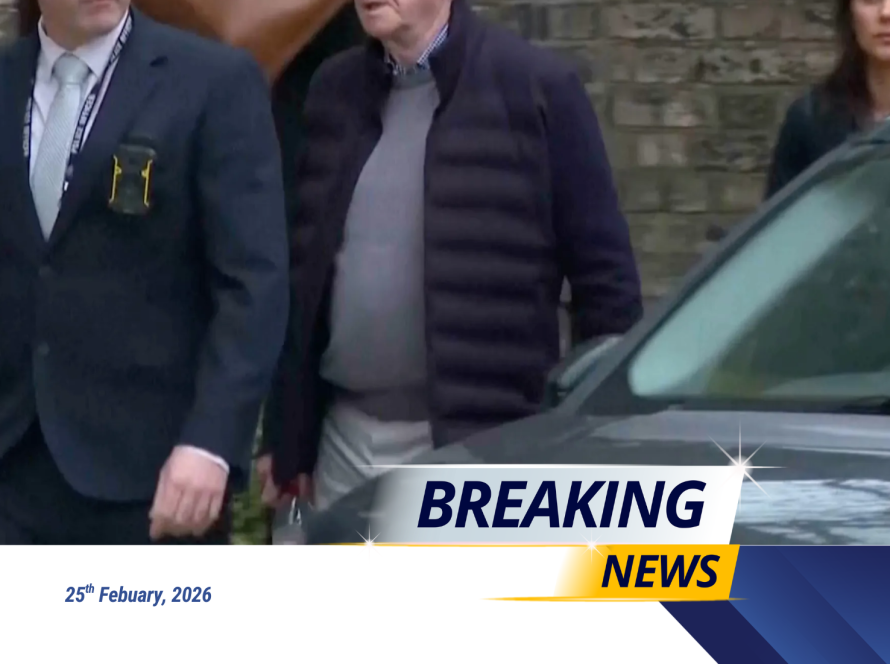
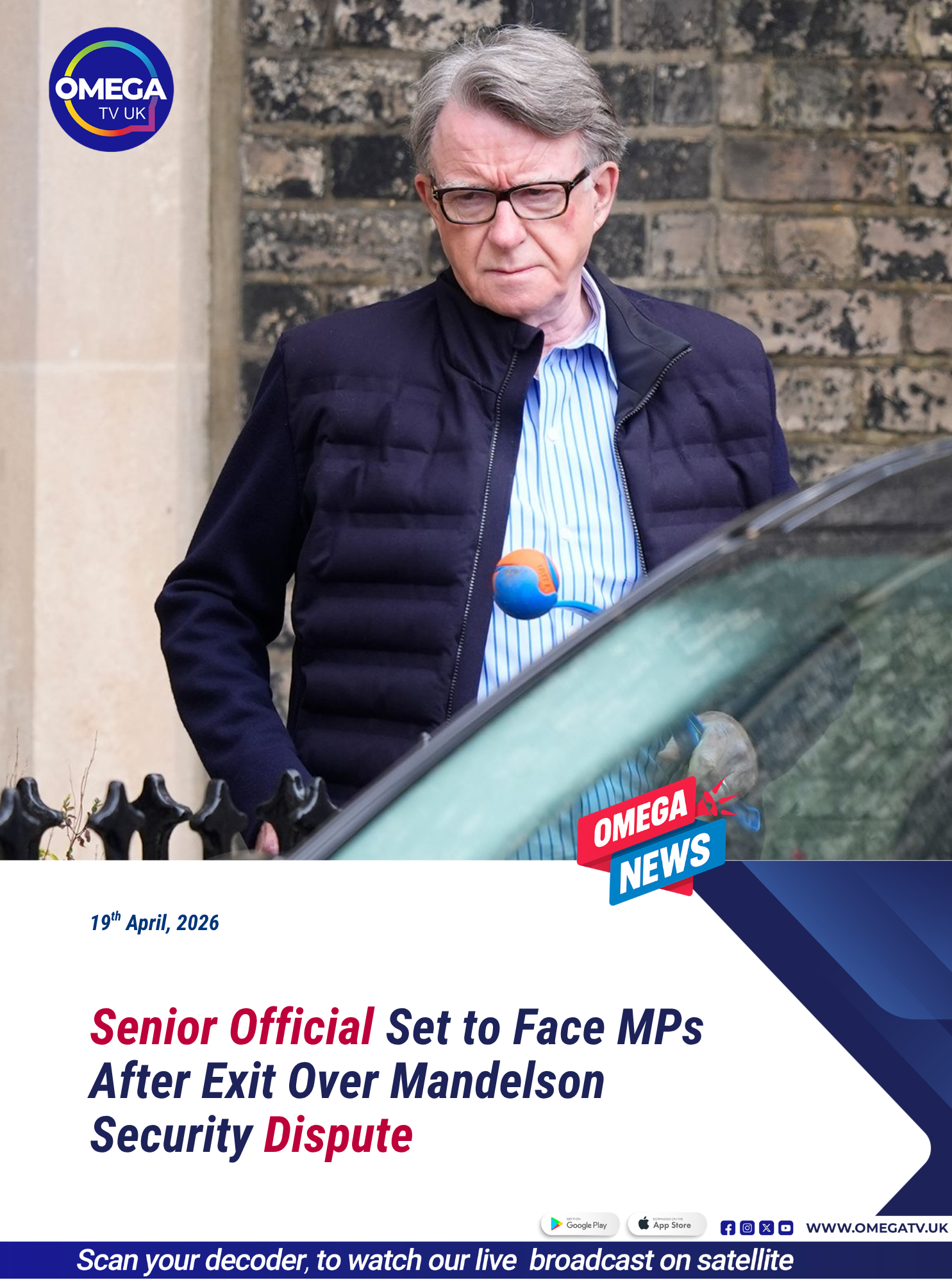
A senior Foreign Office official at the centre of a growing political row over Peter Mandelson’s security clearance is set to be questioned by MPs, as pressure mounts on the government over how the appointment was handled.
Sir Olly Robbins, who was removed from his post as the most senior official at the Foreign Office, is expected to appear before the Foreign Affairs Committee on Tuesday. MPs will question him over the decision to grant Mandelson security clearance despite reported vetting concerns, and whether Downing Street was properly informed of the risks.
The hearing comes amid escalating political tension in Westminster, with Sir Keir Starmer facing scrutiny over what he knew and when he knew it regarding Mandelson’s vetting process. The prime minister is due to face questions in the House of Commons a day before Sir Olly’s appearance.
The controversy centres on claims that Mandelson was granted clearance for his role as US ambassador despite internal warnings from security officials. According to multiple Whitehall sources, vetting officers had recommended against approval, marking the highest level of concern in the system.
Former Foreign Office permanent secretary Lord Simon McDonald has defended Sir Olly Robbins, suggesting he was made a scapegoat in a rushed political response. Speaking to BBC Radio 4’s Today programme, he said: “No 10 wanted a scalp and wanted it quickly.” He also questioned whether Sir Olly was given a fair opportunity to explain his actions.
Lord McDonald added that sensitive details from the security vetting process are typically not shared directly with the prime minister or Downing Street. However, he said that if there had been a complete failure in the vetting process, it would normally be escalated to political leadership, suggesting the situation may have been more complex than initially presented.
The government has faced increasing pressure after reports emerged that security officials had used a formal risk assessment system that categorises cases as low, moderate, or high concern. In Mandelson’s case, it is understood that officials selected the highest risk category and recommended that clearance be refused.
Downing Street has since published sample vetting documentation in an effort to clarify how decisions are made, showing that officials can recommend approval, approval with conditions, or denial.
Opposition MPs have accused the prime minister of failing to be transparent with Parliament. Sir Keir Starmer previously told MPs that due process had been followed in Mandelson’s appointment, but later said he was only informed of the vetting concerns much later than expected.
The prime minister has described the situation as “staggering” and “unforgivable”, arguing that he should have been informed immediately when security concerns were raised. Downing Street has also published a timeline of meetings, including one on 15 April when Sir Keir says he first learned of the issue.
The dispute has now widened into a broader constitutional and political controversy, with opposition parties calling for investigations into whether Parliament was misled. Liberal Democrat leader Sir Ed Davey has called for a Privileges Committee inquiry, while the SNP, Greens, and Reform UK have all demanded accountability at the highest level.
Dame Emily Thornberry, who chairs the Foreign Affairs Committee, has formally requested Sir Olly Robbins appear before MPs, saying recent developments have raised questions about his previous evidence to the committee.
Further complicating the issue, Cabinet Secretary Antonia Romeo reportedly became aware of concerns in March but only informed the prime minister after reviewing legal and procedural implications.
Peter Mandelson was announced as the UK’s choice for US ambassador in late 2024, with vetting beginning on the same day. He formally took up the role in February 2025 but was later removed in September after additional information emerged about past associations, including links to convicted sex offender Jeffrey Epstein.
The unfolding row has now placed renewed focus on the relationship between political leadership and the civil service, with questions over how security decisions are escalated and who ultimately bears responsibility.
Sir Olly Robbins is now expected to provide answers to MPs under intense scrutiny as the inquiry continues.