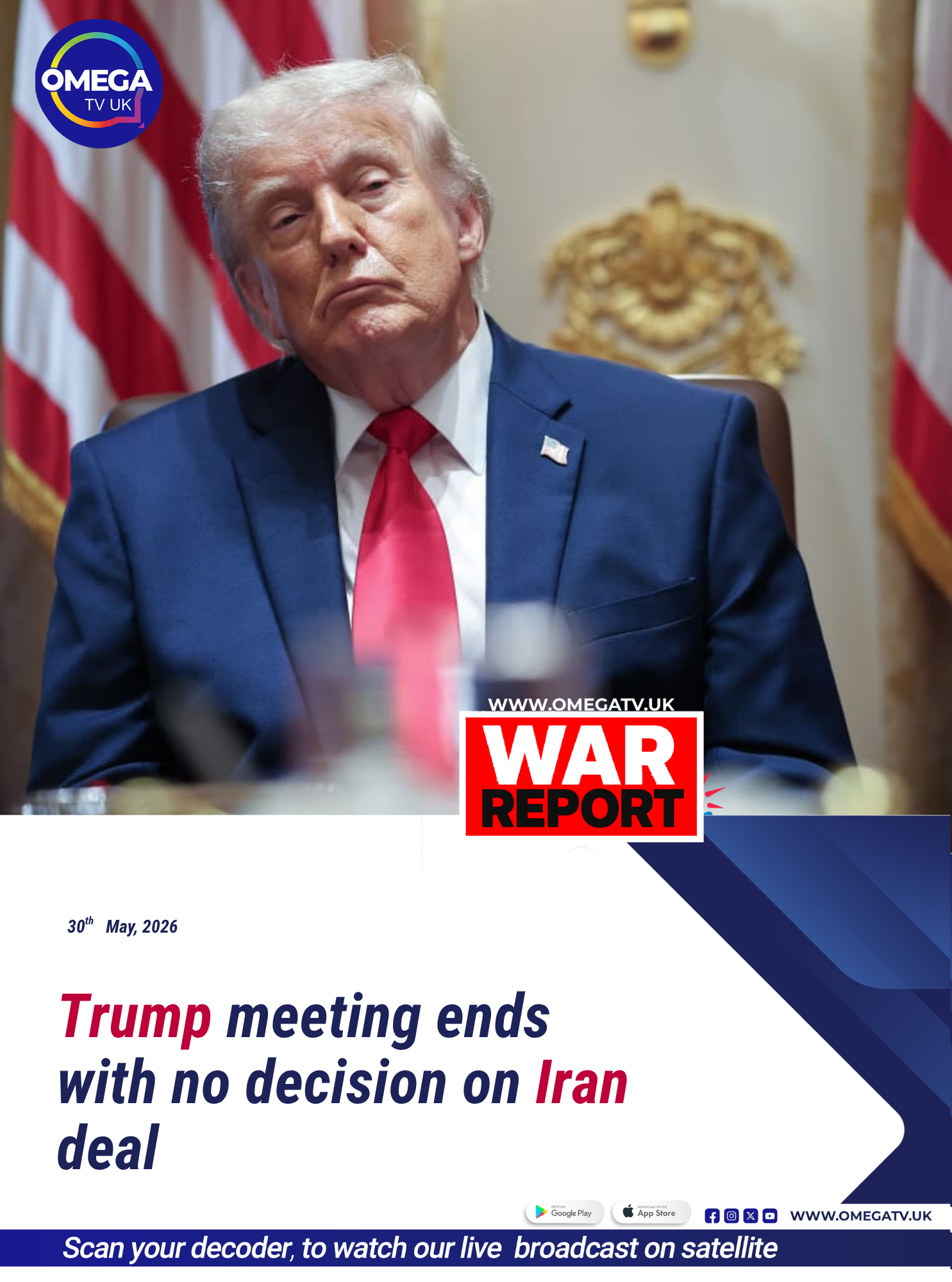
Efforts to secure a formal agreement between the United States and Iran remain unresolved after President Donald Trump met with senior advisers on Friday to make what the White House described as a “final determination” on a proposed framework aimed at extending the current ceasefire.

The high-level meeting took place in the White House Situation Room, but ended without any announcement on whether Washington would approve the draft framework reportedly agreed upon by negotiators earlier this week.
According to US officials, the proposed memorandum of understanding would extend the ceasefire between the two countries for another 60 days and open negotiations on the future of Iran’s nuclear programme. However, significant disagreements remain, particularly over uranium enrichment, sanctions relief and security in the Strait of Hormuz.
Trump reiterated that any agreement must guarantee that Iran never obtains a nuclear weapon. He also demanded the reopening of the Strait of Hormuz for unrestricted international shipping and called for the destruction of any naval mines in the strategic waterway.
In addition, the US president insisted that Iran allow the removal and destruction of its stockpile of highly enriched uranium. Tehran has repeatedly rejected such demands, maintaining that its nuclear programme is solely for civilian purposes and not intended for weapons development.
Iranian officials pushed back against reports suggesting a breakthrough was imminent. Foreign Ministry spokesman Esmaeil Baqaei stated that Iran remains focused on ending the conflict and is not currently negotiating its nuclear programme. Iranian media also disputed elements of the reported framework, claiming that no agreement had been reached regarding the destruction of nuclear materials.
The diplomatic uncertainty comes despite repeated statements from both sides suggesting progress. Earlier this week, Vice President JD Vance said negotiators were “very close” to an agreement but acknowledged that key issues remained unresolved.
Meanwhile, tensions on the ground continue to threaten the fragile ceasefire. Both Washington and Tehran have accused each other of violations in recent days. Iran’s Islamic Revolutionary Guard Corps claimed responsibility for an attack on a US military installation in Kuwait, describing it as retaliation for earlier American strikes. US Central Command condemned the action as a serious breach of the ceasefire.
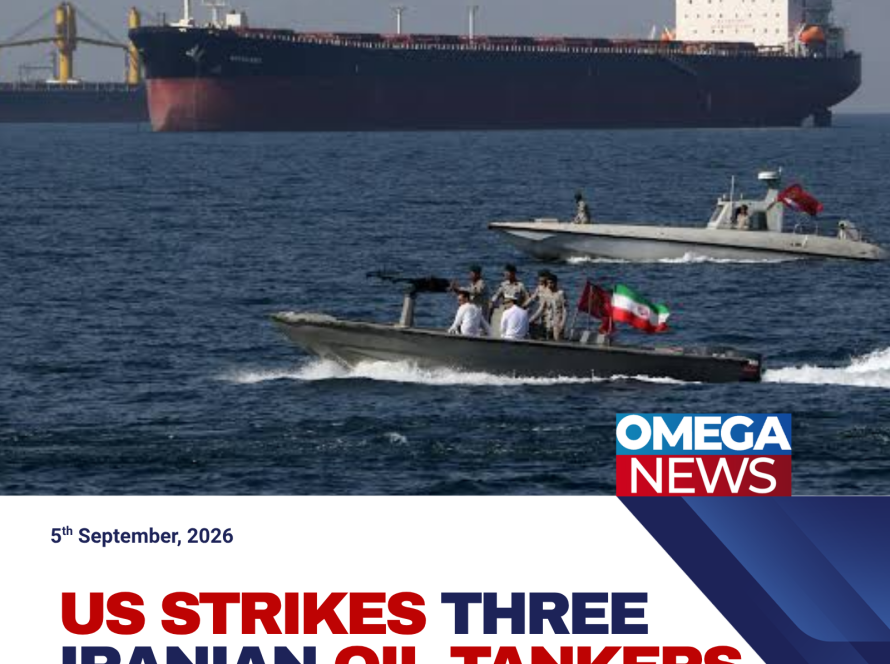
The conflict has also had major economic consequences. The closure and disruption of shipping through the Strait of Hormuz — a route that normally carries about 20% of the world’s energy supplies — has contributed to volatility in global oil markets.
While negotiations remain active, no final agreement has been approved, leaving uncertainty over whether diplomacy will prevail or whether the conflict could escalate once again.