Iran says ships in Strait of Hormuz must coordinate with its authorities
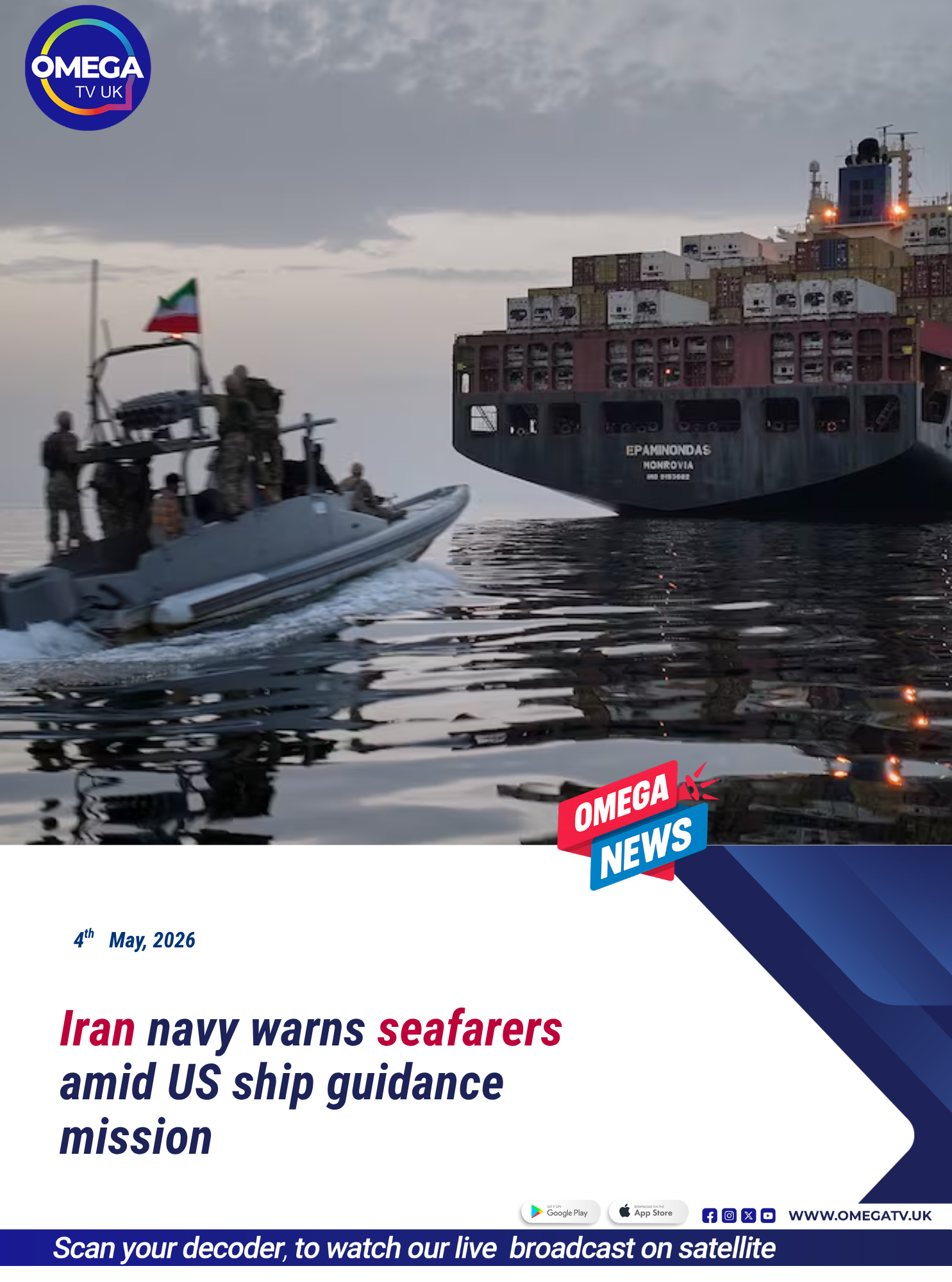
Iran has announced that ships passing through the Strait of Hormuz must coordinate with Iranian authorities, following a new United States effort to reopen and guide maritime traffic through the strategic waterway.

Speaking on Monday in Tehran, Iranian foreign ministry spokesperson Esmail Baghaei said shipping companies and vessel operators are aware that coordination with Iran is necessary to ensure safe passage through the strait.
“Ships, their owners and shipping companies know well that to ensure their security and safety they need to coordinate with relevant bodies in the Islamic Republic of Iran,” Baghaei told reporters during a briefing.
The statement came shortly after the United States launched a new initiative aimed at easing shipping disruptions in the Strait of Hormuz.
The move follows recent tensions and instability in the region that have affected global maritime trade and energy markets.
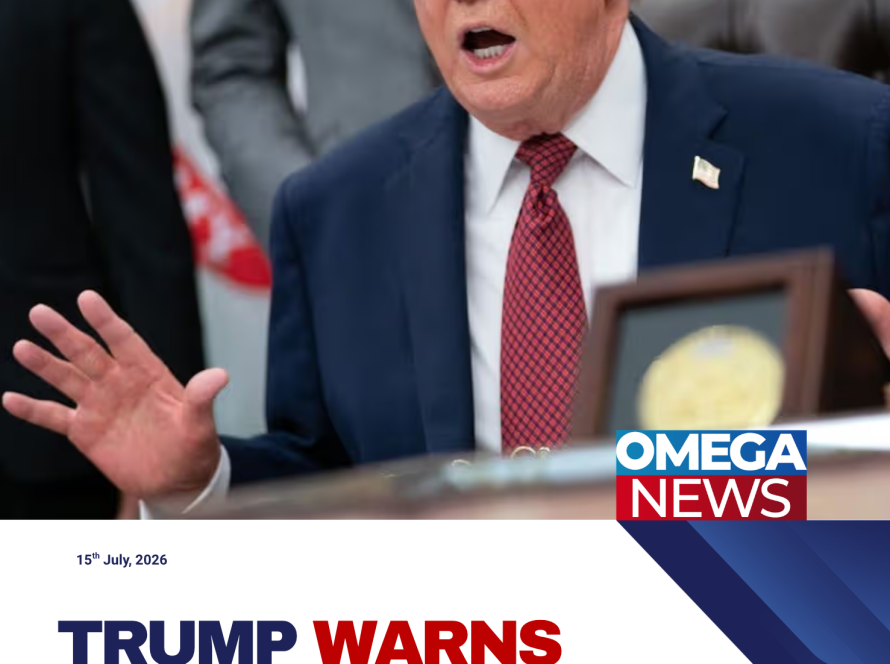
On Monday, US authorities began efforts to help guide stranded vessels through the area under what President Donald Trump described as “Project Freedom.”
The operation is intended to restore smoother movement through one of the world’s most important oil transit chokepoints.
A day earlier, Trump announced the initiative as part of broader efforts to address economic disruptions caused by prolonged regional instability and the absence of a formal peace agreement.
The Joint Maritime Information Center confirmed that the United States has established an “enhanced security area” south of standard commercial shipping routes.
Mariners were advised to coordinate closely with Omani authorities due to expected congestion and increased vessel activity.
The Strait of Hormuz lies between Iran and Oman and is a critical global shipping route through which a large portion of the world’s oil and gas exports pass.
The maritime center also issued a warning regarding navigation risks in the area.
It said travelling close to the normal traffic separation scheme should be considered highly dangerous because of the possible presence of naval mines that have not yet been fully surveyed or neutralised.
The warning has heightened concerns over maritime safety and the risk of further disruptions in the already sensitive region.
As of Monday morning, it remained unclear whether any commercial vessels had accepted the US offer to be guided through the strait.
Meanwhile, Iran’s military command reinforced Tehran’s position by informing state broadcaster IRIB that all ships passing through the area are expected to coordinate with Iranian authorities.
The latest developments highlight continuing tensions between Washington and Tehran over security control and navigation in the Strait of Hormuz.
The situation is being closely watched by global markets, shipping operators, and governments due to the strait’s importance to international trade and energy supply chains.
Any prolonged disruption or escalation in the region could have significant consequences for oil prices and global shipping operations.