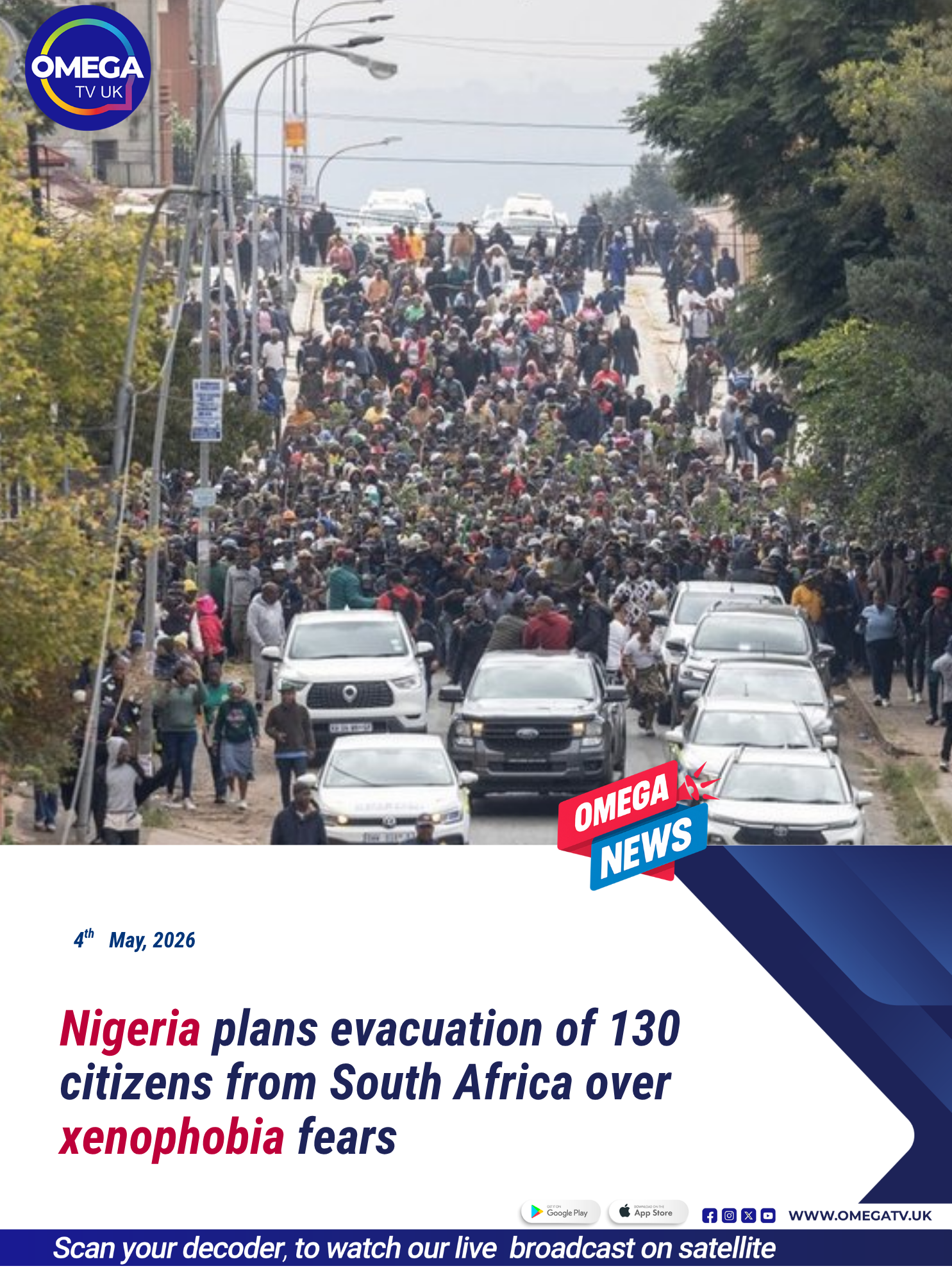
Nigeria begins evacuation of citizens from South Africa over xenophobia concerns
Nigeria has begun arrangements to evacuate citizens from South Africa after renewed fears of xenophobic violence prompted at least 130 Nigerians to register for a voluntary return programme.

Nigerian officials said the number is expected to increase as concerns grow among nationals living in parts of South Africa, particularly in Durban and other areas of KwaZulu-Natal.
Foreign Minister Bianca Odumegwu-Ojukwu confirmed the development in a statement shared on social media.
“This figure is expected to rise,” she said, stressing that Nigerian citizens and businesses in South Africa should not continue to face threats.
“Nigerian lives and businesses in SA must not continue to be put at risk,” Odumegwu-Ojukwu stated.
According to reports from BBC News and local media, Nigerian authorities have started preparations for a voluntary evacuation programme following reports of rising threats and isolated attacks targeting foreign nationals.
Officials said the evacuation is precautionary and intended to support Nigerians who no longer feel safe amid growing anti-immigrant tensions.
Many of those who have registered for evacuation are reportedly based in Durban.
Authorities have urged calm while acknowledging the fears being experienced by Nigerian nationals living in South Africa.
Some affected individuals are said to have already begun preparations to leave the country.
South Africa has a long history of xenophobic violence, often linked to economic hardship, unemployment, and public frustration over limited resources.
Migrants are sometimes blamed for taking jobs, operating businesses, or competing for opportunities in struggling communities.
Foreign nationals from across Africa, including Zimbabwe, Mozambique, Somalia, Ethiopia, and Nigeria, have previously been targeted during outbreaks of anti-immigrant violence.
Nigerians, who make up a visible segment of South Africa’s migrant population, have frequently been among those affected.
Past outbreaks of xenophobic violence have had serious diplomatic consequences.
Deadly riots in 2008 killed dozens of people and displaced many more.
Further attacks in 2015 and 2019 reignited tensions between Nigeria and South Africa, Africa’s two largest economies.
Those incidents led to public outrage, retaliatory protests, and diplomatic strain between both countries.
South African authorities have repeatedly condemned xenophobic violence and insisted that all residents, regardless of nationality, deserve protection.
Government officials have previously pledged stronger intervention during outbreaks of unrest.
However, repeated incidents over the years have continued to expose the vulnerability of migrant communities in the country.
The latest concerns have once again raised questions about long-term solutions to anti-immigrant violence and social tensions in South Africa.
For now, Nigerian authorities say they are focused on ensuring the safety of citizens who wish to return home.
The evacuation process remains voluntary, and officials are continuing to monitor the situation closely.